About the keepers

The towers held light, but people held the coast together.

Before preservation records and archive plates, lighthouse life was daily labor shaped by weather, routine, and memory passed between generations of keepers.

Daily life

Meals, lamp checks, and tide notes followed the same careful rhythm from dawn through nightfall.

Maintenance

Wicks were trimmed, brass polished, and mechanisms repaired before salt air could take hold.

Storms

Gales tested shutters, glass, and nerve; entries in logbooks often turned terse and precise.

Watchkeeping

Night watches balanced silence and vigilance, with every beam rotation logged against sea and sky.
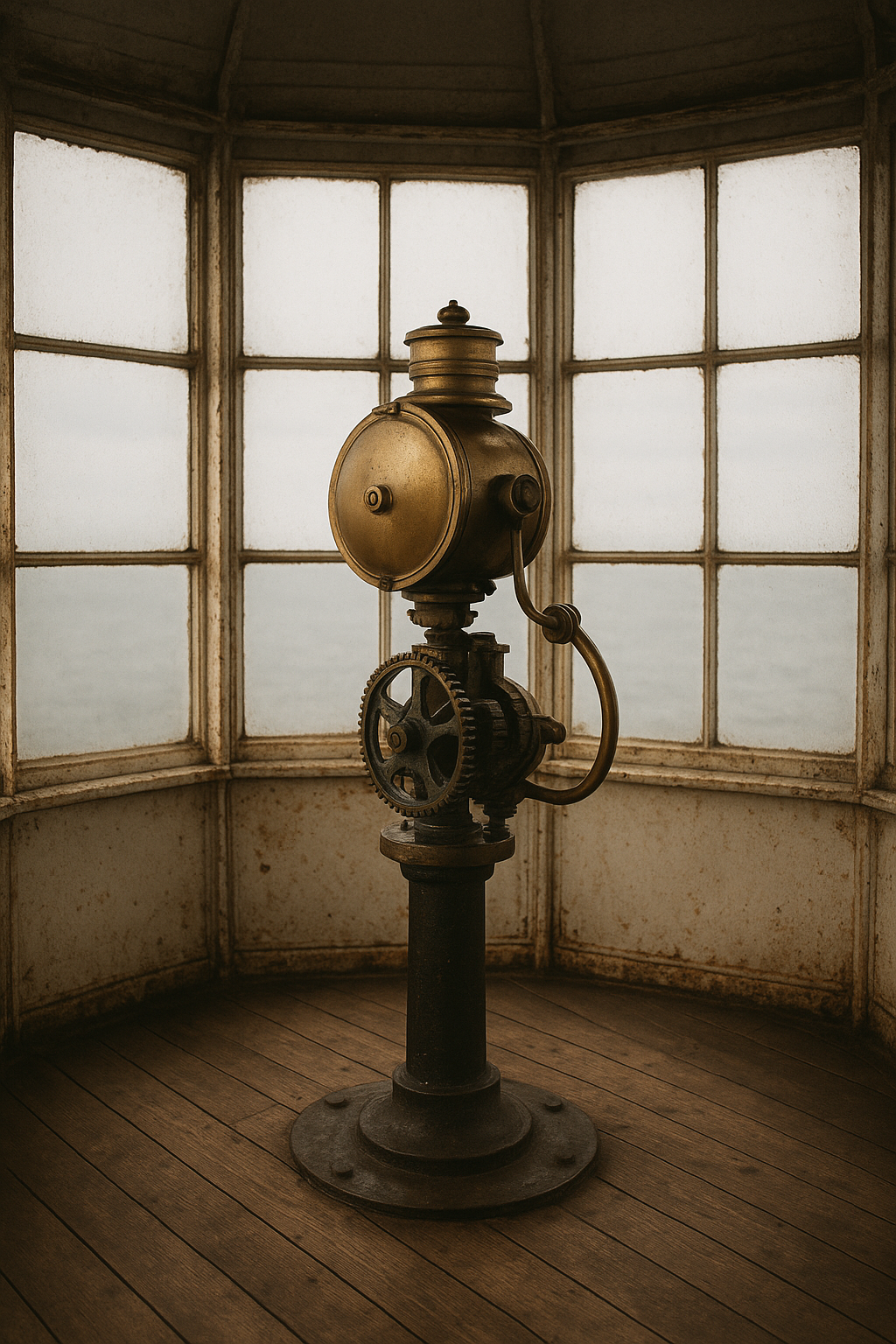

Interior of a historic lighthouse lantern room with brass mechanisms, worn wood flooring, and soft coastal daylight through weathered glass
Lantern room interior, c. early 20th century — tools, fittings, and wear marks reveal the daily discipline behind each night watch.

Keeper Stories

Lives kept at the lamp through weather, watch, and memory.

Three reflective profiles from station logs and oral history notes, centered on routine duty and the long work of preservation.

Weathered middle-aged lighthouse keeper in a dark wool coat standing near a lantern room window with misty sea behind

Elias Holt

Head Keeper, North Reach Light (1908–1926)

“In sleet, the clock stays honest: trim the wick, clean the glass, note the tide. The tower taught us that steady work outlasts any storm.”

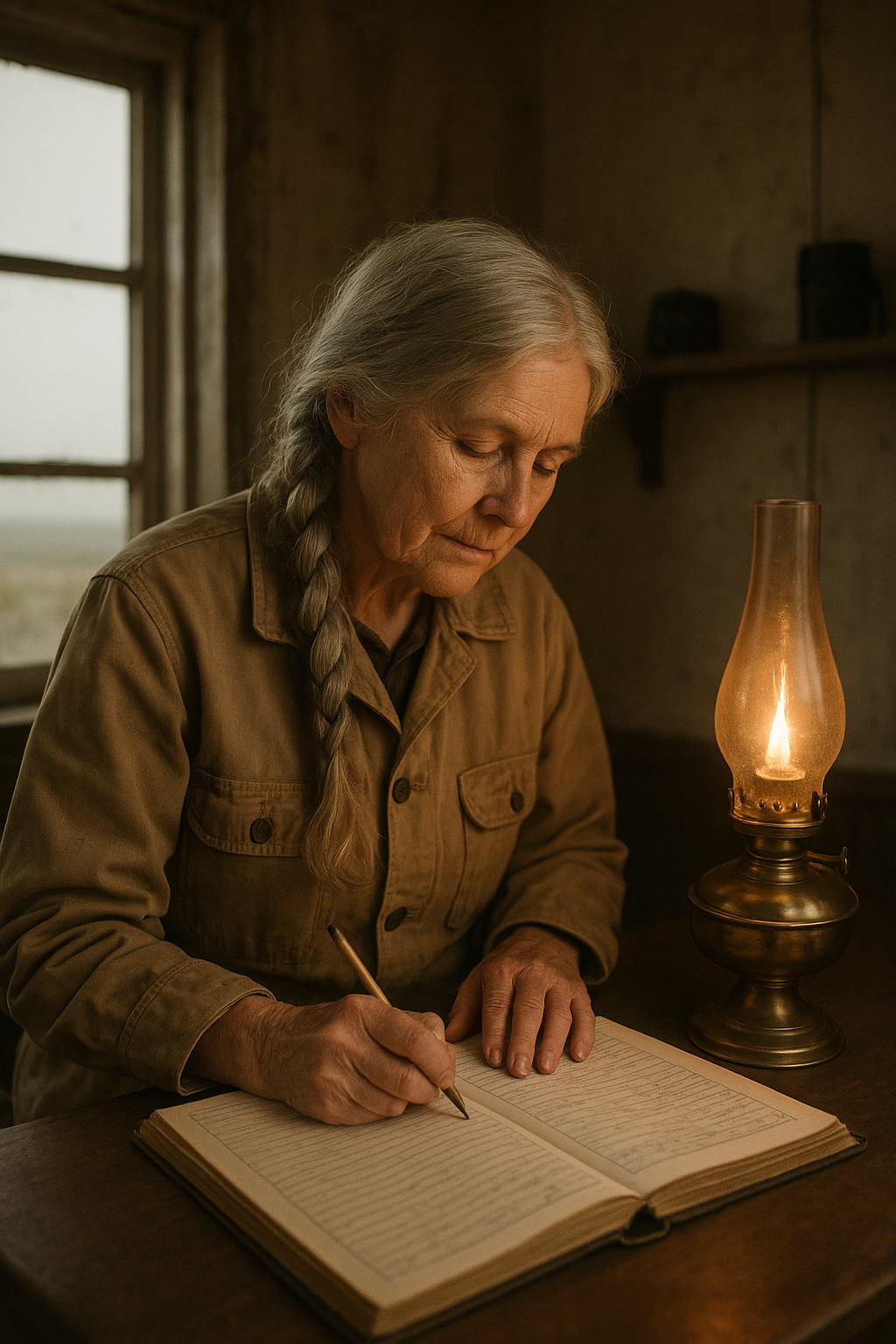
Older woman keeper with braided hair and canvas jacket writing in a logbook beside a brass oil lamp

Margaret Doyle

Assistant Keeper, Blackwater Point (1932–1944)

“Most nights were routine—fog bell, lens check, weather line—yet each entry preserved a coastline in motion, and the people who depended on it.”

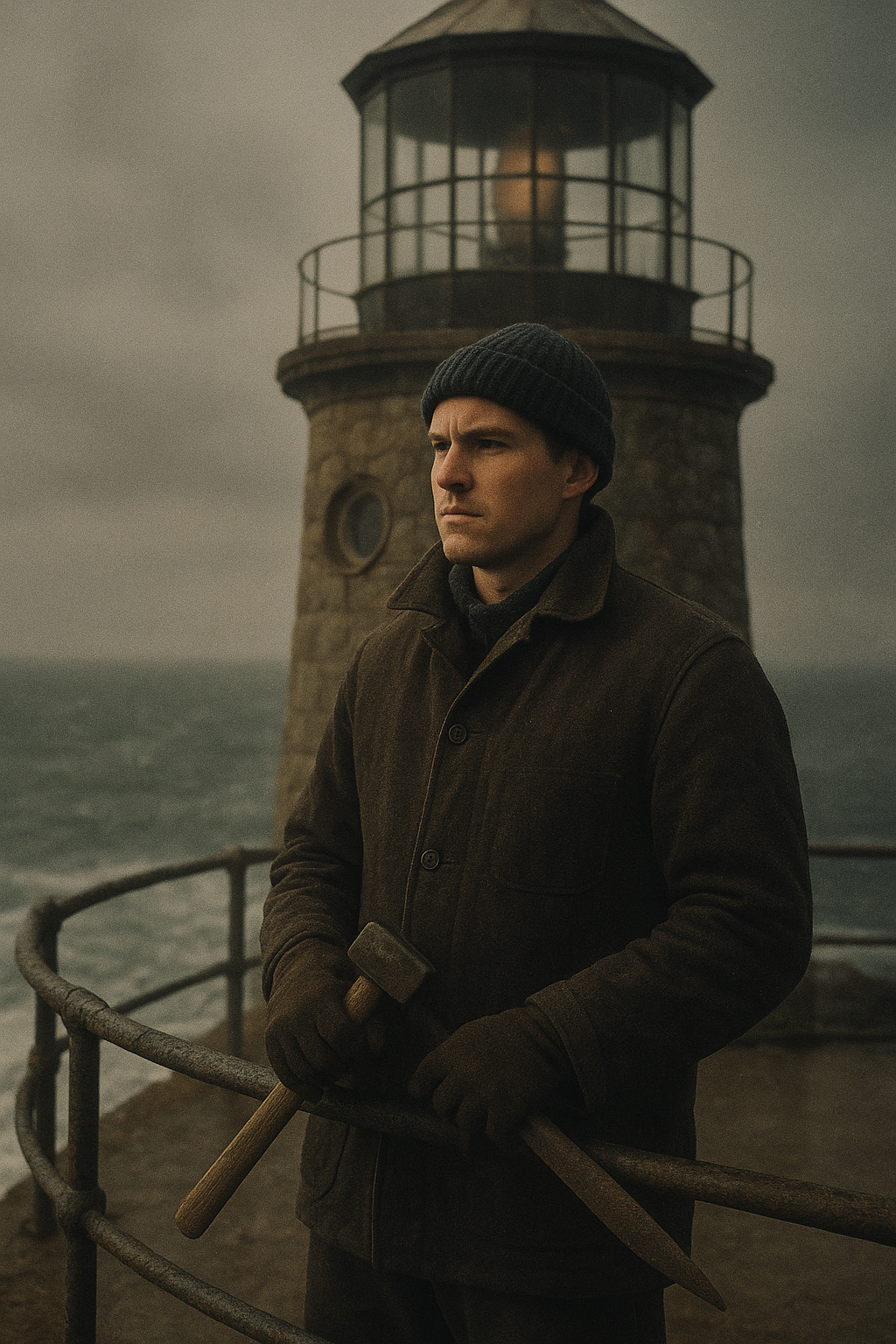
Younger lighthouse keeper in knitted cap carrying maintenance tools on a windy stone gallery at dusk

Ian MacRae

Relief Keeper, Gull Spire (1948–1957)

“When automation arrived, we saved what we could—charts, tools, routine books—because future visitors should know this place was kept by hands, not machinery alone.”